Self-knowledge, self-leadership, and emotional intelligence in today’s leadership
In an organizational context marked by speed, pressure, and constant decision-making, many leaders have learned to listen outwardly: to their teams, their clients, the market. However, one fundamental, silent, and decisive form of listening is often neglected: listening to oneself.
Self-awareness is not an introspective exercise without practical impact. It is a core leadership competency—an internal tool that shapes the clarity of decisions, the coherence of actions, and the quality of influence a leader has on others.
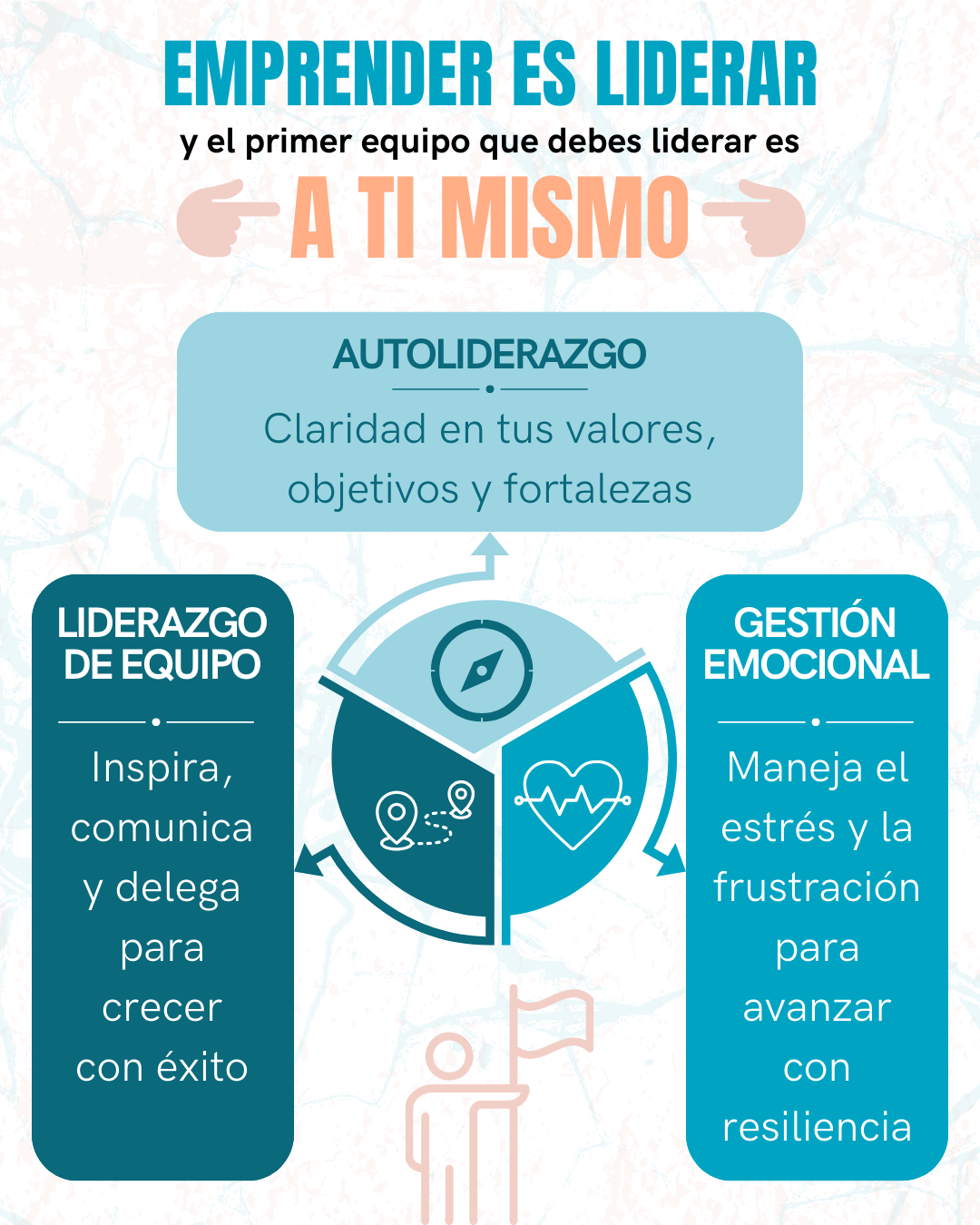
You cannot lead others without first learning to lead yourself.

Self-awareness: the invisible foundation of effective leadership
Self-awareness is the ability to recognize and understand one’s internal states: emotions, thoughts, automatic reactions, values, and motivations. In leadership, this competency translates into greater presence, clarity, and capacity for self-regulation.
Research in emotional intelligence has shown that leaders with a high level of self-awareness:
- Make less reactive decisions that are better aligned with reality
- Generate greater trust and credibility within their teams
- Manage pressure, uncertainty, and mistakes more effectively
- Maintain stronger coherence between what they think, say, and do
When leaders do not listen to themselves, they risk acting from automatism, urgency, or fear—projecting unacknowledged internal tensions onto their teams. A lack of self-awareness affects not only the leader’s personal well-being, but also the emotional climate they create around them.
Self-leadership: leading from within in order to lead outward
Self-leadership means taking responsibility for one’s own emotional and behavioral experience. It is not about rigid control, but about awareness and choice—understanding where one is acting from and the impact one’s decisions have on the environment.
A leader who leads themselves:
- Acknowledges their limits without experiencing them as weakness
- Observes their reactions before responding
- Allows themselves to review, adjust, and learn
- Knows when to pause, gain perspective, or ask for support
This type of leadership is not imposed; it is transmitted. Teams perceive the leader’s internal coherence and respond with greater psychological safety, commitment, and trust. Self-leadership thus becomes a silent reference point that guides collective behavior.

Listening in order not to react: self-awareness and decision-making
Many decisions that appear strictly rational are deeply influenced by unrecognized emotional states: haste, fear of failure, need for control, difficulty tolerating uncertainty, or desire for approval.
Self-awareness allows leaders to detect these internal dynamics before they distort judgment. Listening to oneself does not mean doubting everything; it means refining decision quality and expanding the range of choice.
When leaders give themselves internal space to observe what is happening within them, they increase their ability to respond with clarity rather than react from tension. This subtle yet profound difference defines leadership style and its impact on the team.
A self-dialogue exercise for leaders
If you lead people and make decisions regularly, I invite you to try a brief exercise in conscious self-dialogue. It requires only a few minutes—but it does require intention and honesty.
Before an important decision, or at the end of a demanding day, ask yourself:
- What am I feeling right now?
- From where am I making my decisions: calm, urgency, fear, responsibility?
- What do I need right now to lead with greater clarity?
- What part of me is asking to be heard?
Ask yourself these questions with complete sincerity and with the calm assurance that they are not seeking judgment, but awareness. Because only from awareness is it possible to care for what is not always visible, but is deeply felt and transmitted.

Leading with emotional intelligence: a trainable competency
Self-awareness is the first pillar of emotional intelligence. Without it, effective emotional regulation and genuine empathy toward others are not possible.
Developing this competency is not a one-time act, but a process. It requires time, reflective practice, and, in many cases, professional support. Yet its effects are deep and sustainable: calmer leaders, more coherent decisions, and more aligned teams.
Listening to oneself does not reduce effectiveness or authority. On the contrary, it strengthens both from a more solid and human foundation.
Conclusion: listening to yourself in order to lead with purpose
In a world that demands fast responses and immediate solutions, conscious leadership dares to introduce a pause—a pause to listen, to understand, and to act with greater coherence.
The leader who listens does not become less demanding, but clearer. They do not lose authority; they ground it in awareness, meaning, and emotional responsibility.
Because leading oneself is not a preliminary step to leadership. It is its core.
Do you make space to listen to yourself in your daily life as a leader?
If you wish to deepen your development of self-awareness and self-leadership as key competencies of emotional leadership, I invite you to continue exploring this space or to begin a professional coaching process.